
As you navigate the next chapter in life, it's important to understand the motivational energy behind it. In this chapter, we explore the difference between push and pull motivation, and how each can affect your ability to find the light at the end of the tunnel.
Sometimes we're pushed into change when we don't really want it.
- A partner deciding the marriage is over when you don't want it to be
- Financial challenges creating the need to go back to work
- A job you love, but a manager you don't
This can create motivation surrounded by negative energy, fuelled by necessity, stress, and/or anger. It can be a powerful driving force, but it isn't an ideal foundation for creating a positive outcome that brings satisfaction and contentment.
In contrast, when we're pulled into change, we're driven by excitement for something new, and that's ideally where you want to get to.
- A new house and location that feels like home
- A new job and company that will give you a new set of skills and financial reward
- A new activity that will boost your confidence and self-esteem
The challenge is transforming push energy into pull motivation, so the change creates a sense of fulfilment rather than loss.
Can you identify where you are right now?
Push motivation: driven by necessity, survival, anger, and frustration. Your narrative might be "I have to", "I need to", or "I have no choice".
Pull motivation: driven by desire, excitement, and reward. Your narrative might be "I am excited to", "I want to", or "I can't wait to".
How easily you can shift your mindset and the narrative in your head will depend on the intensity of the push and the sense of loss you're feeling, and most importantly your willingness and ability to view the situation through a new lens.
You may need additional support, such as a counsellor or coach, to work through the stages of grief. But if you're committed to finding the light, there are steps you can begin to take.
You can start rewiring your brain and identifying pull motivations by exploring the situation from different perspectives. This takes time and research to explore new ways of being, thinking, and existing as you move into the next chapter of life.
As always, writing these exercises down, or saying them out loud in an audio dictation, and seeing them in front of you will help you structure your thoughts and process your emotions.
Let's start by outlining the situation in front of you.
- What are the changes to be made?
- Who is driving the change?
- Why is there a need for change?
- What are the motivations for change?
- What does success look like from this change?
Once you've outlined the situation, a SWOT analysis with a few embedded exercises can help you view it from four different perspectives.
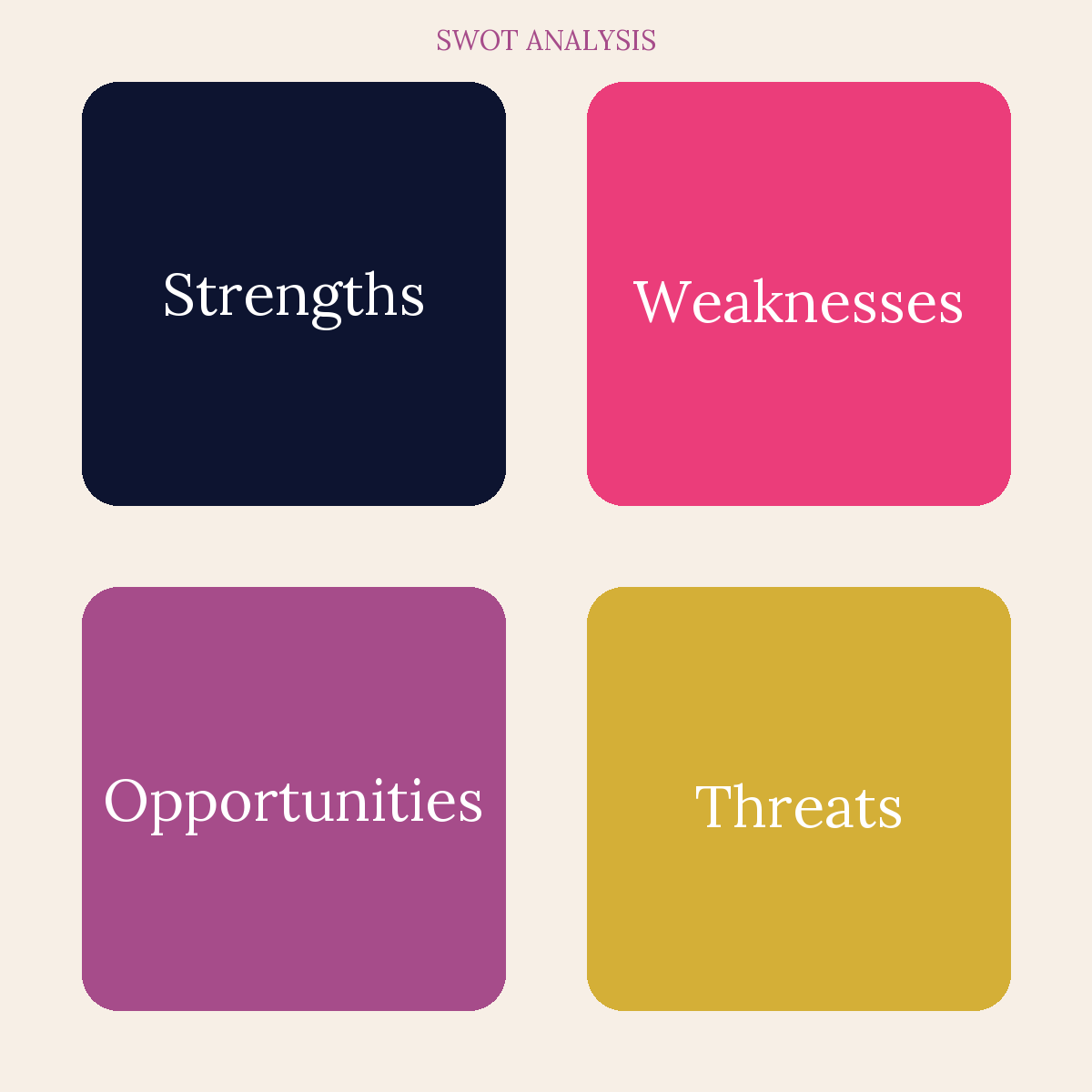
Strengths
What are considered to be the strengths of the current situation without change.
It's important to empathise with the current situation and not dismiss any emotions here. Let's explore what can be carried forward from the old way of being into the new order.
Weaknesses
What are considered to be the weaknesses of the current situation without change?
Let's start to identify why change might be positive. What isn't working, and what could make you happier.
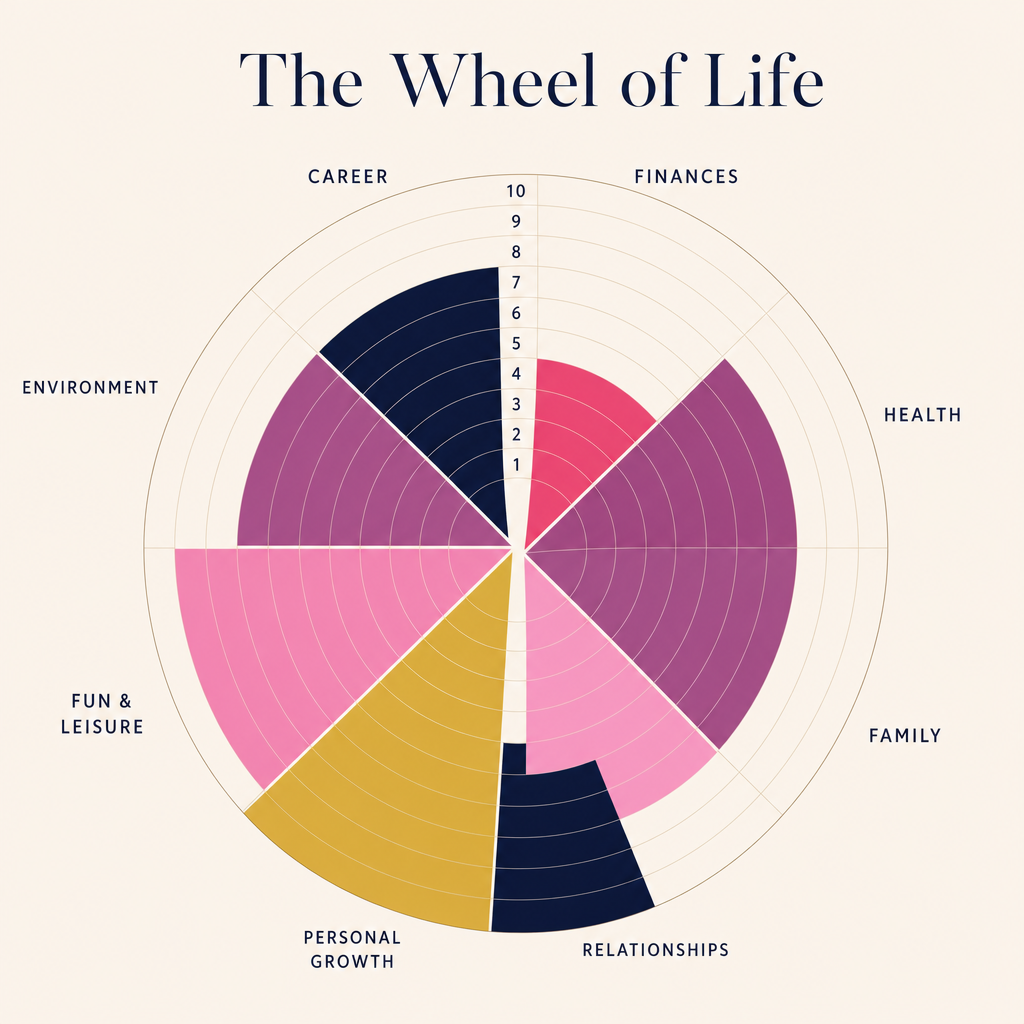
Wheel of Life
One exercise to review strengths and weaknesses is the Wheel of Life. Consider the different aspects of your life. Relationship, financial, career, health, family, personal growth, fun & leisure, and environment. Reflect on what is going well and what isn't, document it, and score each area out of 1–10. Then reflect on what a 10 might look like in each area, and document that too.
Once you've reviewed these eight areas, can you rank them in order of priority and highlight those that matter most to you?
MoSCoW prioritisation
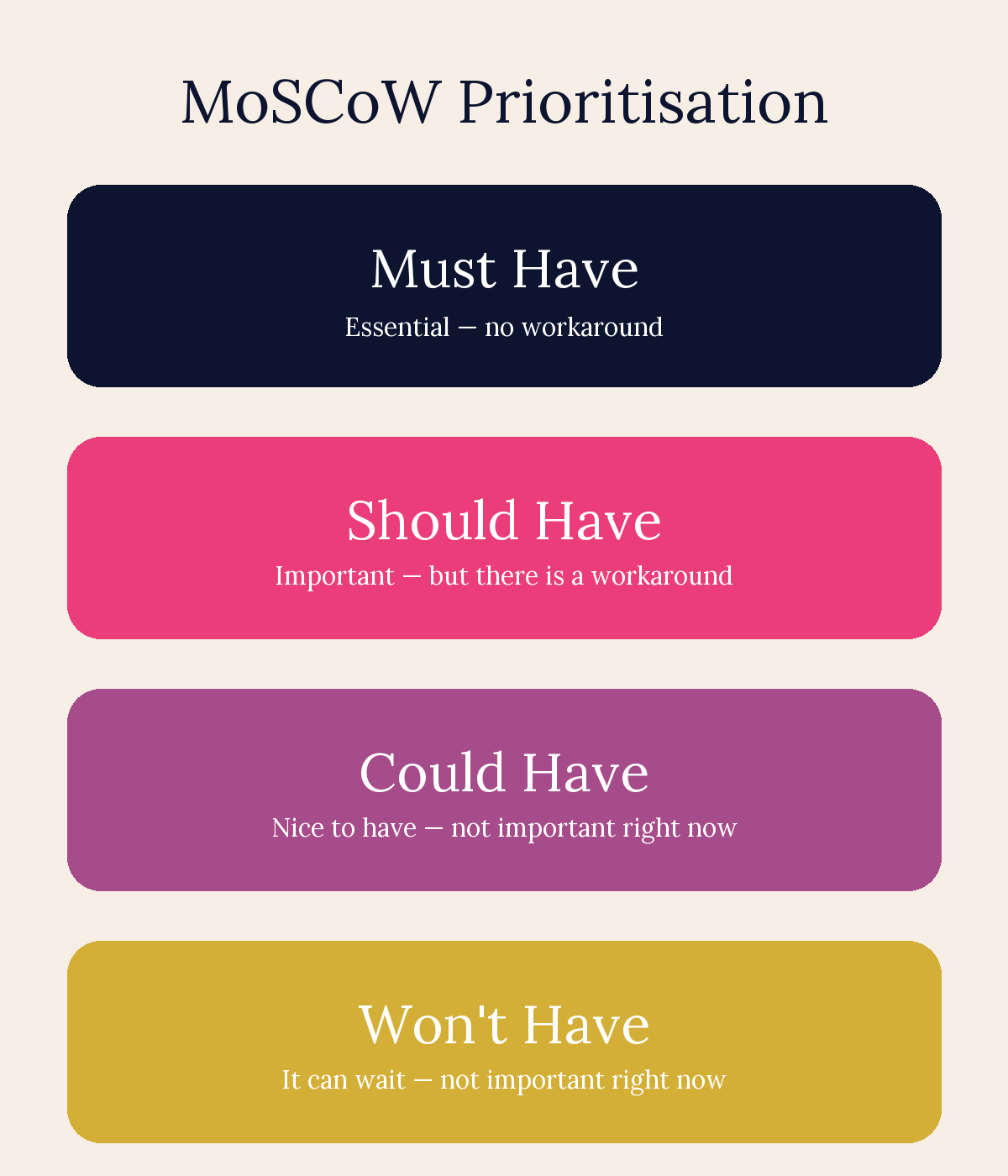
For prioritisation, you can apply the MoSCoW methodology. It can be a valuable tool in day-to-day activities as well as broader life planning. Rather than feeling overwhelmed by everything, start to categorise tasks this way and focus first on the Must Haves.
- Must Have: It is essential and there is no workaround.
- Should Have: It is important but there is a workaround
- Could Have: It's a nice to have but not important right now
- Won't Have: It can wait as it's not important right now
Opportunities
What new opportunities are presented by the anticipated change?
This question requires the most research into what the "new" chapter looks like, and it helps you find the pull energy. You might need to research possible homes, locations, jobs, careers, or activities. During this process, you can start to draw up a list of "success criteria" as you become clearer on what you want the next chapter to look like and what ingredients it needs.
If your marriage is over and you need to visualise what a new life or home might look like, start looking on property websites. Imagine where your new home could be, explore interiors and furniture, and begin to visualise a new future. The alternative is staying focused on the loss of your existing home, which doesn't help you move forward.
If you are looking for a new career or job, research different career paths and in-demand skills. Read career-change stories, take courses to build new skills, and explore job boards. The alternative is feeling like nothing out there will excite you.
If you are looking for new friends in a new location, start by asking in or researching social media groups for activities that interest you. Check out Eventbrite or Meetups, or even start your own group and advertise it. Try new activities and find new ways to meet people.
It's important to remember that the right possibilities might not appear straight away. It can take time to find the right fit, and each attempt may bring apprehension, disappointment, or grief, but also the possibility of reward, happiness, and finding your new tribe or role. It's about taking the time, taking the risk, and making space for the emotions. If we don't research and explore the "new" possibilities, we can stay stuck in the storm. We need to find the new pull motivation.
Threats
Are there any potential threats to not undertaking these changes? What's a risk of not finding the light… depression, impact on family, financial implications. It's about being honest with ourselves about the consequences and articulating the push motivations that will still play a part.
At the end of the day, our bodies and mindset can slip into survival mode, but we need to find a way to avoid the trauma and negative outcomes of maintaining the status quo when it isn't powered by optimism.
Finding the light at the end of the tunnel is about finding a new way of being. One that brings optimism and excitement to move forward. This process takes time, effort, and courage. But unless we invest in the research period to find a new chapter in life, we can stay stuck in the grief cycle of losing the old and dwelling on what could have been, with negative consequences that don't bring reward or happiness.
You don't have to be on this journey alone. Having someone to encourage, support, and motivate you can be valuable as you work through it.
Sunday blessing
Follow us on social media for the next chapter
New tools to navigate change, every week. My Sunday blessing to you.
Share this post
Instagram doesn't allow direct web sharing, so we copy the link for you to paste into your story, caption or bio.